While several measures will affect the sector, the most consequential announcement for many areas came the day before – the introduction of new powers for Mayors and Combined Authorities to levy a charge on overnight stays. This comes at a moment when cities across the UK are already beginning to explore or implement levy models, providing valuable lessons for policymakers.
Overnight Visitor Levy
The Government has confirmed that Mayors in England will be able to introduce a levy on overnight accommodation including hotels, guesthouses, B&Bs and short term lets, with revenues retained locally to support investment in transport, public spaces and the visitor economy. Local leaders will have discretion over whether to adopt a levy and how it is structured, and no rate or model has yet been proposed. A 12-week consultation is now open, closing on 18 February. You can view the consultation here.
Similar policies are already progressing in Scotland, where levies are being introduced in Edinburgh and Aberdeen. Early engagement there has highlighted the importance of clear governance, simple administration and visible reinvestment in the visitor experience. It also shows that levies must be designed carefully to avoid discouraging overnight stays or weakening competitiveness. These lessons underline the need for business involvement from the outset and demonstrate the risks of developing levy models without full consideration of sector insight.
Learning from Existing Models
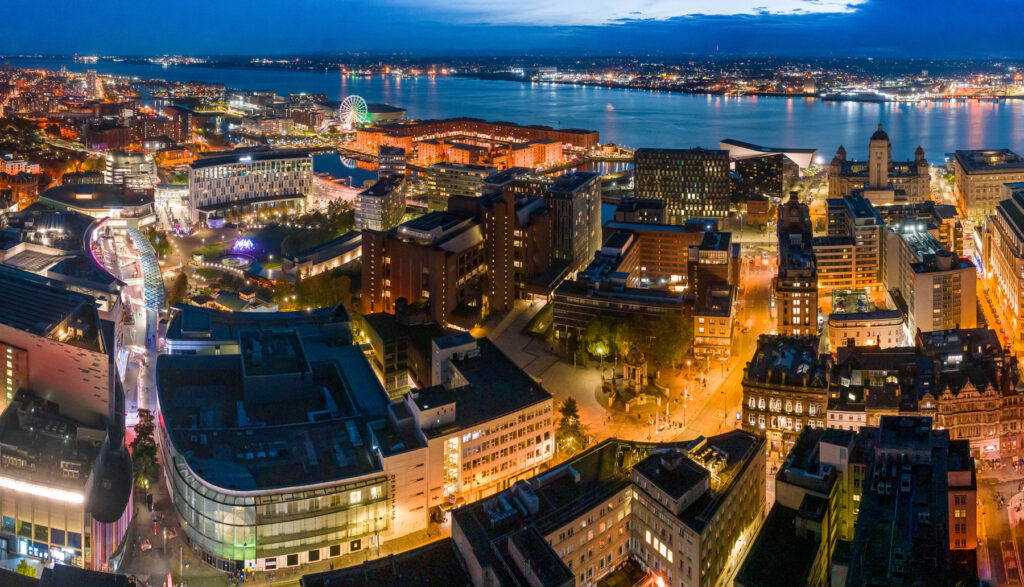
In England, levy style schemes already operate in Manchester and Liverpool through Accommodation BIDs, where funds are directly managed by businesses and reinvested into the visitor economy. Introducing new levies that duplicate existing structures risks double charging and placing additional pressure on a sector still working hard to recover.
These themes were a major focus at the HSUK Tourism Forum in Edinburgh in September, where members representing destinations across the UK set out a clear set of recommendations for any future levy. These included the need for levies to be ring fenced locally, co designed with business, transparent and accountable, focused on improving the visitor experience, affordable, operationally simple, aligned with wider tourism strategy and not duplicate existing efforts in areas already covered by an Accommodation BID.
Business Rates
The Budget confirms that the Government will proceed with a new business rates structure from 2026, with lower multipliers for properties below £500,000 rateable value funded in part by a higher multiplier applied to the largest premises. The uplift now appears to be around 2.8p, rather than the 10p increase previously modelled – but even at this reduced level, it still represents a significant long-term cost for large operators at a time when trading conditions are already challenging.
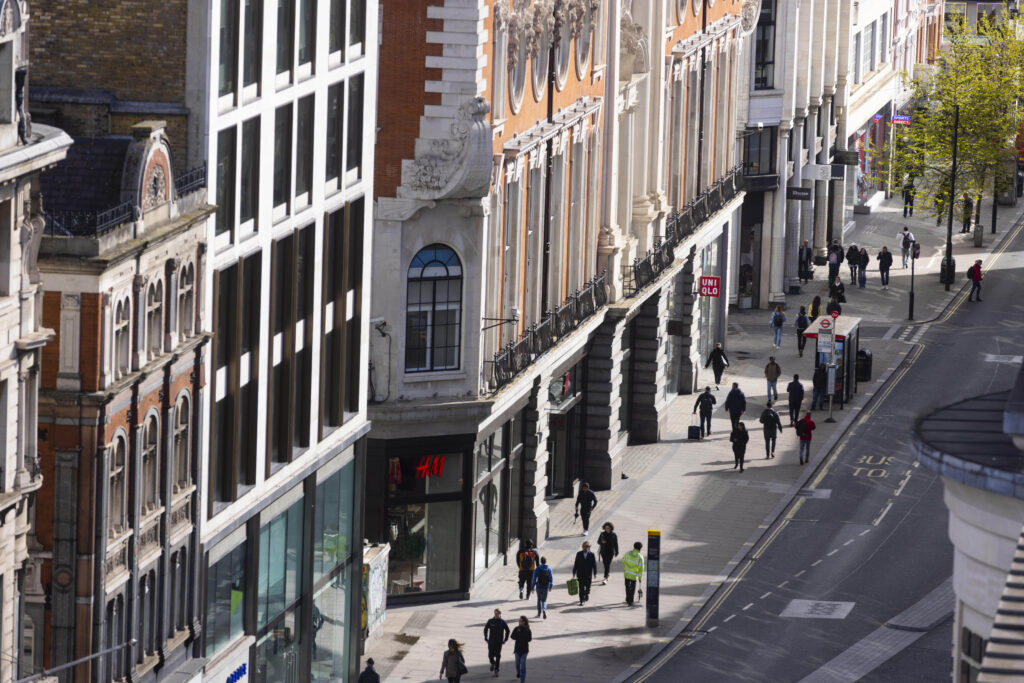
Cities with high value properties could face disproportionate increases, with High Streets UK research showing that properties affected by the higher multiplier are up to five times more likely to be located on flagship high streets. High street businesses are already managing rising wage, rent and utility costs. Further fixed tax pressure may weaken investment and hiring, particularly in sectors that rely on visitor spending. Business rates reform remains a central issue for HSUK members and will continue to form part of our engagement with Government as we advocate for a fairer, more balanced system that supports long term growth.
Next Steps
High Streets UK will play an active role in the consultation on the overnight levy, using our UK wide membership to provide evidence from cities with direct experience of both emerging levy models and existing Accommodation BIDs.
We will draw on lessons from Scotland and insights from our Tourism Forum to help shape proposals that are workable, proportionate and growth focused. We will engage directly with Government, Mayors and local authorities to ensure the voice of business is central to decisions and to avoid unintended consequences for destinations that rely on tourism.
We will update members as further detail becomes available and remain ready to support local discussions across the country.
Kind regards,
High Streets UK